
6 Essential Interior Model Design Tips for Architects
- Feb 21
- 13 min read
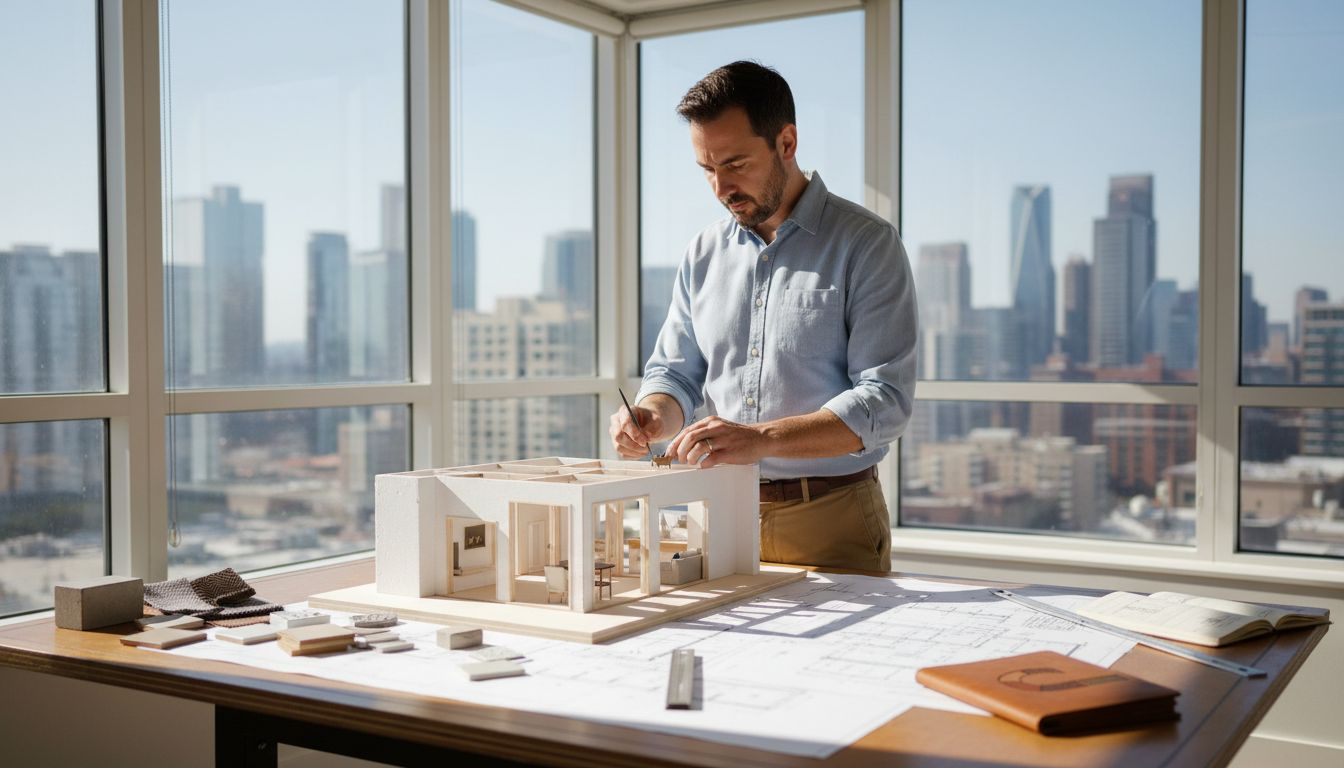
Presenting luxury interior models to discerning clients in the UAE can be daunting. Precision, realism, and engaging features are expected, and even minor details make or break their confidence in your design vision. If your model falls short in accuracy or fails to show how spaces will truly function, clients hesitate and costly revisions follow.
This practical list gives you clear steps for building interior models that captivate clients and showcase your professional expertise. You’ll discover how to harness detailed floor plans, select premium materials, and use smart lighting innovations that enhance every element. Get ready to learn actionable techniques that will transform your concepts into impressive, immersive experiences—perfect for securing approval and standing out in the luxury market.
Table of Contents
Quick Summary
Takeaway | Explanation |
1. Accurate Floor Plans Are Essential | A detailed floor plan is crucial for spatial accuracy, influencing furniture layout and client confidence. |
2. Choose High-Quality Materials | Using premium materials enhances realism and durability, reflecting professionalism in luxury projects. |
3. Implement Smart Lighting Strategies | Strategic lighting showcases design features and creates desired ambiances, engaging clients emotionally. |
4. Use Scaled Furnishings for Realism | Incorporating properly scaled furniture helps clients visualize space use and enhances overall model authenticity. |
5. Add Interactive Elements for Engagement | Interactive models allow clients to explore and modify designs, increasing their involvement and satisfaction. |
1. Start with Detailed Floor Plan Accuracy
Your interior model’s success hinges on one critical foundation: an accurate floor plan. Without it, everything that follows—furniture placement, spatial flow, lighting—will be compromised. A detailed floor plan serves as your scaled roadmap, guiding every decision you make in the design process.
Think of the floor plan as your blueprint for accuracy. It outlines walls, doorways, windows, and essential installations with precision. When you get these measurements right from the start, you avoid costly changes down the road and ensure your model reflects the real space faithfully.
Accurate floor plans enable precise visualization of how spaces will function. They let you identify traffic flows, test furniture arrangements, and spot potential issues before construction begins. This level of detail transforms client presentations from vague concepts into convincing, realistic previews.
A scaled roadmap outlining walls, furniture, and essential installations is critical for arranging spaces efficiently while maintaining aesthetic appeal.
How to ensure your floor plans are accurate:
Measure twice, verify once. Take multiple measurements of each room, including ceiling heights and architectural details.
Use laser measuring tools for precision. These eliminate guesswork and human error in large spaces.
Document existing conditions. Note window positions, electrical outlets, HVAC vents, and structural columns.
Verify measurements on-site. Never rely solely on existing plans; conditions often change over time.
Cross-reference with structural drawings. Confirm that your measurements align with the building’s official documentation.
Modern tools have elevated the accuracy game significantly. 3D laser scanning and CAD modeling enhance precision and reduce errors while improving your ability to create realistic client presentations. These technologies allow you to capture every detail, from wall angles to architectural quirks that might affect your design.
When working with luxury residential projects in the UAE, precision becomes even more critical. High-end clients expect perfection, and your floor plan accuracy directly impacts their confidence in your design vision. A model built on inaccurate measurements will undermine even the most beautiful design concept.
Pro tip: Create your floor plan at a consistent scale (typically 1:50 or 1:100 for luxury residential projects) and share this reference with your model maker to ensure every detail in your physical or digital model aligns perfectly with the real space.
2. Use High-Quality Materials for Realistic Finishes
The difference between a mediocre model and one that impresses clients comes down to material choices. High-quality materials transform your interior model from a rough concept sketch into a convincing representation of the finished space. When clients see realistic finishes, they believe in your design vision.
Material selection impacts everything about your model beyond just how it looks. The right materials enable intricate detailing, improve durability, and create textures that clients can actually touch and feel. This tactile experience builds confidence in your design decisions.
For luxury residential projects in the UAE, material quality directly reflects your professionalism. Clients investing in high-end interiors notice when you use inferior materials in your presentation model. They expect your model to match the caliber of the finished project.
Material selection directly impacts the scale, texture, and functionality of architectural models, with high-quality options enabling intricate detailing and durability.
Popular materials for realistic interior models:
Wood veneers for flooring and wall paneling with authentic grain and color matching
High-quality acrylic sheets for glass partitions and window elements with crystal clarity
Foam composites for architectural elements that are lightweight yet detailed
3D printed resins that capture fine details and allow custom texturing
Fabric samples for curtains, upholstery, and soft furnishings that match actual selections
Material selection for architectural models goes beyond aesthetics. Proper handling and bonding techniques ensure your model survives client presentations, trade shows, and storage without degradation. Poor material choices can lead to warping, discoloration, or structural failure.
When selecting materials, consider how they’ll photograph. Luxury residential clients often want photos of the model for marketing materials. Materials with subtle sheen and realistic color reproduction photograph far better than flat, generic alternatives.
Eco-conscious material choices are increasingly important. Using sustainable materials demonstrates your commitment to responsible design practices. This resonates strongly with environmentally aware clients and sets your practice apart.
Test your materials before committing to full production. Build a small sample section of your model using your chosen materials. This reveals any compatibility issues between different elements and gives you confidence in the final result.
Pro tip: Source material samples directly from suppliers of finishes you’re specifying for the actual project, ensuring your model shows clients exactly what their completed space will look and feel like in person.
3. Incorporate Smart Lighting to Highlight Features
Lighting transforms how clients perceive your interior design. Smart lighting in your model doesn’t just illuminate the space—it directs attention, showcases architectural details, and creates emotional responses. When done right, it becomes your most powerful presentation tool.
Think of lighting as a storyteller in your model. Strategic placement reveals textures, emphasizes material finishes, and highlights design elements you want clients to notice first. Poor lighting hides your best work behind shadows and flat illumination.
Your interior model should demonstrate how light interacts with the finished design. This means showing clients the actual ambiance they’ll experience in the completed space. Natural daylight renderings and accent lighting should work together to create the mood you’re designing for.
Smart lighting innovations integrate advanced LED technologies and flexible strip lighting, enabling lighting that adapts to highlight design nuances while contributing to sustainable building practices.
Key lighting strategies for interior models:
Install LED strip lighting along architectural features like wall niches, shelving, and accent walls
Use directional spotlights to emphasize sculptural elements or focal points in the design
Incorporate warm color temperatures (2700-3000K) for residential spaces to create inviting atmospheres
Add accent lighting under floating furniture or architectural elements for dramatic effect
Layer lighting with task and ambient options to demonstrate different functional scenarios
Smart lighting innovations enable you to showcase how intelligent systems will enhance the finished interior. Clients increasingly expect sustainable, controllable lighting solutions. Your model can demonstrate these features through interactive lighting scenarios or documentation.
Consider how your model will be photographed and presented. Professional photography requires thoughtful lighting angles that avoid glare and harsh shadows. Your model’s lighting should enhance photos for marketing materials and client presentations.
For luxury residential projects, clients want to visualize ambiance at different times of day. Some models benefit from showing multiple lighting scenarios—morning natural light, evening accent lighting, and nighttime atmospheric settings. This storytelling approach makes your design more compelling.
Test your lighting setup before final presentation. Photograph the model under different angles and distances. This reveals whether your lighting effectively communicates your design intent or if adjustments are needed.
Pro tip: Use programmable RGB LED strips in your model to demonstrate multiple lighting moods and scenarios, allowing clients to envision how the space transforms throughout the day and for different occasions.
4. Add Scaled Furnishings for Authenticity
Furnishings breathe life into your interior model. Scaled furnishings transform an empty space into a believable, livable environment that clients can envision themselves occupying. Without realistic furniture, even the most beautiful architecture feels hollow and unconvincing.
When furniture is properly scaled and positioned, it gives spatial relationships real meaning. Clients suddenly understand how large a room actually is, how traffic flows, and whether their lifestyle fits the design. This is where abstract floor plans become tangible reality.
Authenticity matters more than perfection in furniture selection. Your model doesn’t need museum-quality furniture pieces, but it does need pieces that accurately represent the design aesthetic and functionality you’re proposing. Mismatched or incorrectly scaled furniture undermines your entire presentation.
Comprehensive, finely proportioned interior models with detailed, scaled furnishings enhance visualization, functionality evaluation, and client understanding of the finished space.
Furniture elements to include in your model:
Major pieces like sofas, beds, and dining tables that define space usage
Accent furniture such as side tables, chairs, and ottomans showing layered comfort
Decorative objects including lamps, artwork, and plants that add personality
Kitchen and bathroom fixtures demonstrating functionality in smaller spaces
Textiles like pillows, rugs, and throws that introduce color and texture
The scale of your furnishings sets expectations for the entire model. If your sofa looks out of proportion to the room, clients question whether the architect understands spatial relationships. How scale models impact client perception of design solutions is significant—accurate proportions build confidence in your design decisions.
Source your furniture pieces strategically. High-end residential projects deserve furniture that reflects the quality clients expect. This doesn’t mean expensive custom pieces, but rather carefully selected items that match your design palette and proportions.
Consider lifestyle when selecting furniture. A luxury villa model needs different furniture than a urban apartment. Clients connect with spaces that show how they’ll actually live. Furniture tells this story powerfully.
Position furniture to showcase design features. A sofa facing an accent wall highlights that wall. Dining furniture positioned near a feature window draws attention to views. Thoughtful placement makes your design features impossible to ignore.
Pro tip: Photograph your model from eye-level perspective with furniture to simulate how occupants will experience the space, making client presentations far more impactful than overhead views.
5. Emphasize Color and Texture to Convey Mood
Color and texture are the emotional language of interior design. Your model must communicate not just what spaces look like, but how they feel. Color and texture choices transform a sterile presentation into an experience that resonates with clients on a visceral level.
Mood drives purchasing decisions more than clients often realize. A space rendered in cold grays feels different than one wrapped in warm terracottas and creams. Your model must demonstrate the atmosphere you’re creating, not just the architecture.
Texture adds dimension that flat colors cannot achieve. A smooth marble surface reads differently from a textured linen wall covering. When clients can see and feel these contrasts in your model, they trust your design vision more completely.
Color and texture work together to establish ambiance, encourage emotional responses, and bring dimensionality that creates comfortable, visually interesting spaces.
Strategic color and texture applications:
Use earthy neutrals as base colors to ground luxury residential designs in sophistication
Layer warm earth tones with vibrant accent colors to add personality and visual interest
Incorporate varied textures like velvet, marble, wood, and woven materials for tactile richness
Apply contrasting textures to accent walls to highlight architectural features and focal points
Combine matte and reflective surfaces to create depth and visual complexity
Current color and texture trends for 2024 emphasize layered, sophisticated palettes that reflect clients’ individuality. In the UAE market, warm tones paired with rich jewel accents resonate strongly with luxury homeowners seeking spaces that balance elegance with comfort.
Your material selections in the model should match your color palette exactly. If you specify a warm beige fabric, the model should show that exact tone, not a generic approximation. This precision builds client confidence in your material selections.
Consider how different lighting angles will interact with your colors and textures. Matte surfaces absorb light differently than glossy ones. What looks perfect under showroom lighting might appear dull in a client presentation, so test your combinations thoroughly.
Texture photography matters too. Close-up images of textured surfaces in your model help clients understand tactile qualities. High-resolution photos reveal material depth that distant views cannot convey.
Pro tip: Create color and texture sample boards alongside your model showing the exact materials specified for the project, allowing clients to touch and experience finishes while viewing how they integrate into the complete design.
6. Integrate Interactive Elements for Client Engagement
Static models are presentation tools. Interactive models are decision-making catalysts. Interactive elements transform your interior model from something clients observe into something they actively explore, manipulate, and experience. This engagement fundamentally changes how they perceive and commit to your design.
When clients can walk through a space virtually, rotate furniture, or adjust lighting scenarios, they develop ownership of the design. They’re no longer passive viewers but active participants shaping their future home. This psychological shift dramatically increases project approval rates and client satisfaction.
Interactive experiences also reveal design issues early. Clients can test spatial flows, identify sightlines, and spot functional problems before construction begins. This collaborative problem-solving strengthens the designer-client relationship and reduces costly changes later.
Interactive 3D environments improve visualization accuracy and client involvement by allowing modifications and immersive experiences, supporting efficient design development and communication.
Types of interactive elements to integrate:
Virtual reality experiences allowing clients to explore spaces in full immersion
Touchscreen presentations where clients adjust lighting, colors, or furniture placement
360-degree panoramic views that clients can navigate at their own pace
Animation sequences showing transitions between different design scenarios
Digital overlays displaying material specifications when clients interact with surfaces
Interactive 3D presentations have become game-changing tools for architects presenting luxury residential projects. In the UAE market, high-net-worth clients expect cutting-edge presentation technology. Interactive models position your firm as innovative and forward-thinking.
Start with simple interactivity before advancing to complex systems. A rotating model viewed on a tablet is interactive. A virtual reality walkthrough is immersive. Both serve different purposes depending on your client and project stage.
Consider the practical logistics of interactivity. Will clients use tablets at your office or in their homes? Will you use VR headsets for presentations? Will you provide digital files they can explore independently? Each approach requires different technical preparation.
Interactivity also enables remote presentations. Luxury clients traveling internationally can explore your design via video call using interactive digital models. This flexibility expands your market reach significantly.
Test all interactive elements thoroughly before client presentations. Technical glitches undermine your professionalism and distract from design excellence. Backup systems and offline versions protect against connectivity issues.
Pro tip: Build interactive elements that allow clients to see real-time changes such as lighting adjustments or furniture repositioning, giving them immediate feedback on design modifications and increasing their confidence in final decisions.
Below is a comprehensive table summarizing the strategies for enhancing interior design modeling discussed throughout the article.
Topic | Key Points | Benefits |
Accurate Floor Plans | Create detailed and scaled plans through precise measurements and verification tools; match them with current documentation. | Prevent errors, enhance realism, optimize design decisions early, and build client confidence. |
High-Quality Materials | Use premium materials that reflect the final design’s aesthetic, ensuring durability and authenticity. | Establish credibility, enhance tactile and visual realism, and showcase professional expertise. |
Smart Lighting | Integrate advanced LED systems and lighting strategies into models to highlight design features and create ambiance. | Showcase aesthetic and functional lighting possibilities, enhancing client engagement and understanding. |
Scaled Furnishings | Include properly sized and stylistically appropriate furniture pieces in models to lend realism and functionality. | Demonstrate practical space utilization, illustrate conceptual designs effectively, and help clients envision the completed environment. |
Color and Texture | Present strategic and project-aligned color schemes and textures within models to evoke specific moods and tactile experiences. | Convey the design’s emotional impact, enhance material selection confidence, and align with client expectations. |
Interactive Elements | Incorporate technologies such as virtual reality, interactive displays, and customizable elements to increase model engagement. | Enable dynamic client interactions, foster collaboration, visualize outcomes effectively, and convey innovation. |
Elevate Your Interior Models with Expert Craftsmanship and Cutting-Edge Precision
Creating accurate, detailed interior models is essential to bring your architectural vision to life The challenges discussed in the article, such as ensuring floor plan accuracy, material quality, smart lighting, and interactive elements, demand a partner who combines traditional craftsmanship with the latest technology Creative Fusion specializes in producing high-quality interior models that reflect your design intent perfectly while engaging clients on a deeper level Our expert team understands the importance of scaled furnishings, authentic textures, and dynamic lighting to showcase your projects with emotional impact and precision
[
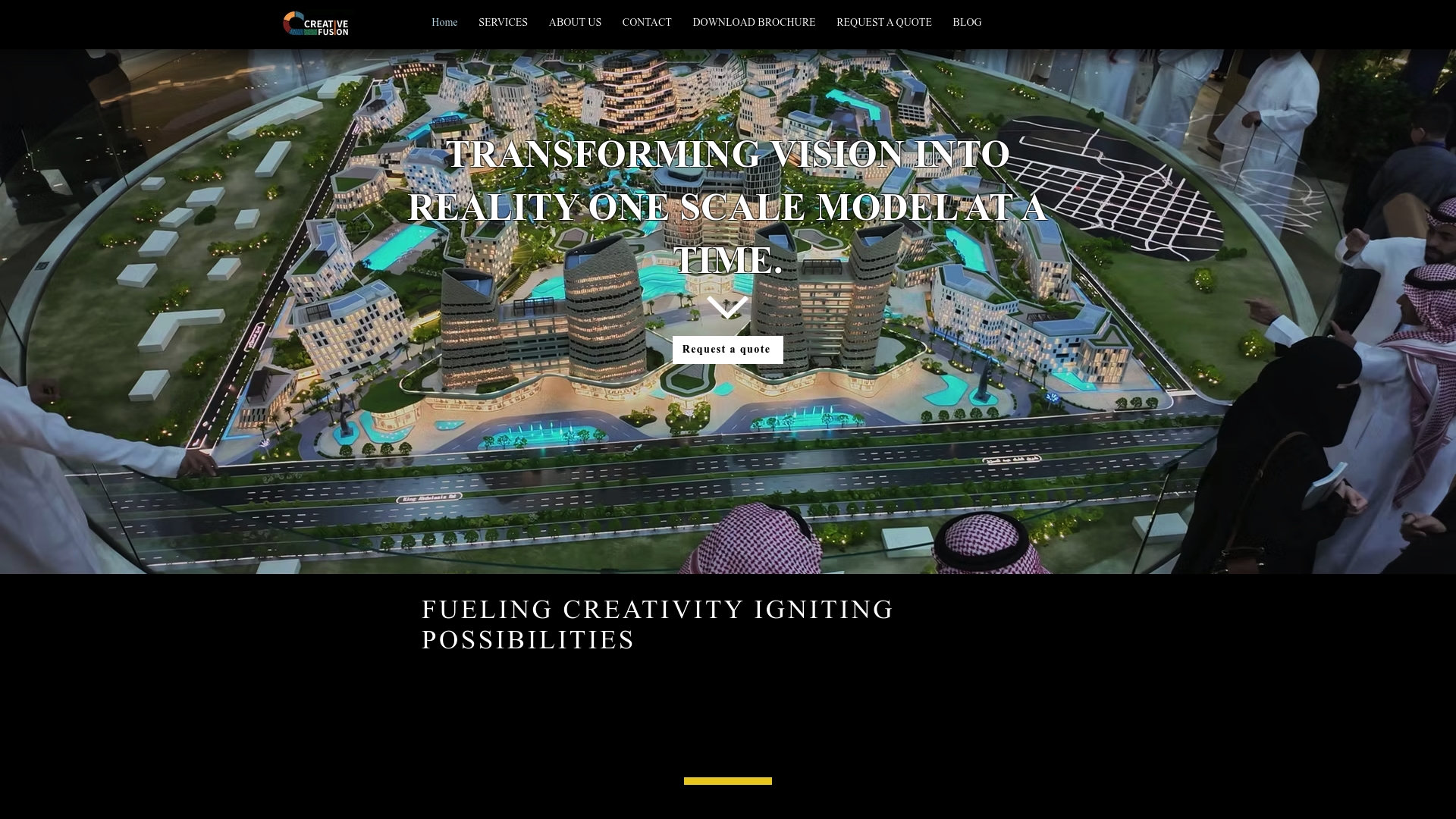
Take your presentations beyond expectations by choosing Creative Fusion for your next interior model Explore our comprehensive architectural model making services including Interior Models and Luxury Villas and Resort 3D Scale Models tailored specifically for the GCC market Ready to impress clients with realistic, interactive models that build trust and accelerate approvals Visit Creative Fusion today and turn your design concepts into captivating, tangible realities
Frequently Asked Questions
How can I ensure the accuracy of my floor plans for an interior model?
To ensure accurate floor plans, measure each room multiple times and document all existing conditions like doorways and electrical outlets. Use laser measuring tools for precision to eliminate human error, and verify all measurements on-site before proceeding with your design.
What materials should I use for creating realistic finishes in my interior models?
Use high-quality materials such as wood veneers, acrylic sheets, and 3D printed resins to achieve a realistic look in your models. Test these materials beforehand to ensure they align with your design aesthetic and provide the desired texture.
What lighting strategies can I implement to enhance my interior model presentation?
Incorporate LED strip lighting and directional spotlights to highlight key design features and create inviting atmospheres. Additionally, experiment with warm color temperatures that suit residential spaces to evoke emotional responses during client presentations.
How do I select scaled furnishings for my interior model?
Choose scaled furnishings that accurately represent the design aesthetic and functionality you envision for your space. Focus on major pieces like sofas and dining tables, ensuring they are properly proportioned to evoke a believable and livable environment for your clients.
How can I use color and texture to convey mood in my interior models?
Utilize a carefully curated palette of colors and varied textures to express the ambiance you intend to create. Layer warm earth tones with vibrant accents, and ensure that the textures selected are accurately represented in your model for the best tactile experience.
What interactive elements can I add to engage clients during presentations?
Integrate interactive elements like virtual reality experiences or touchscreen presentations that allow clients to explore and manipulate the design. These features can improve engagement and help clients visualize the space, boosting their confidence in the new design.
Recommended


Comments