
Why Use 3D Engineering Models for Real Estate Impact
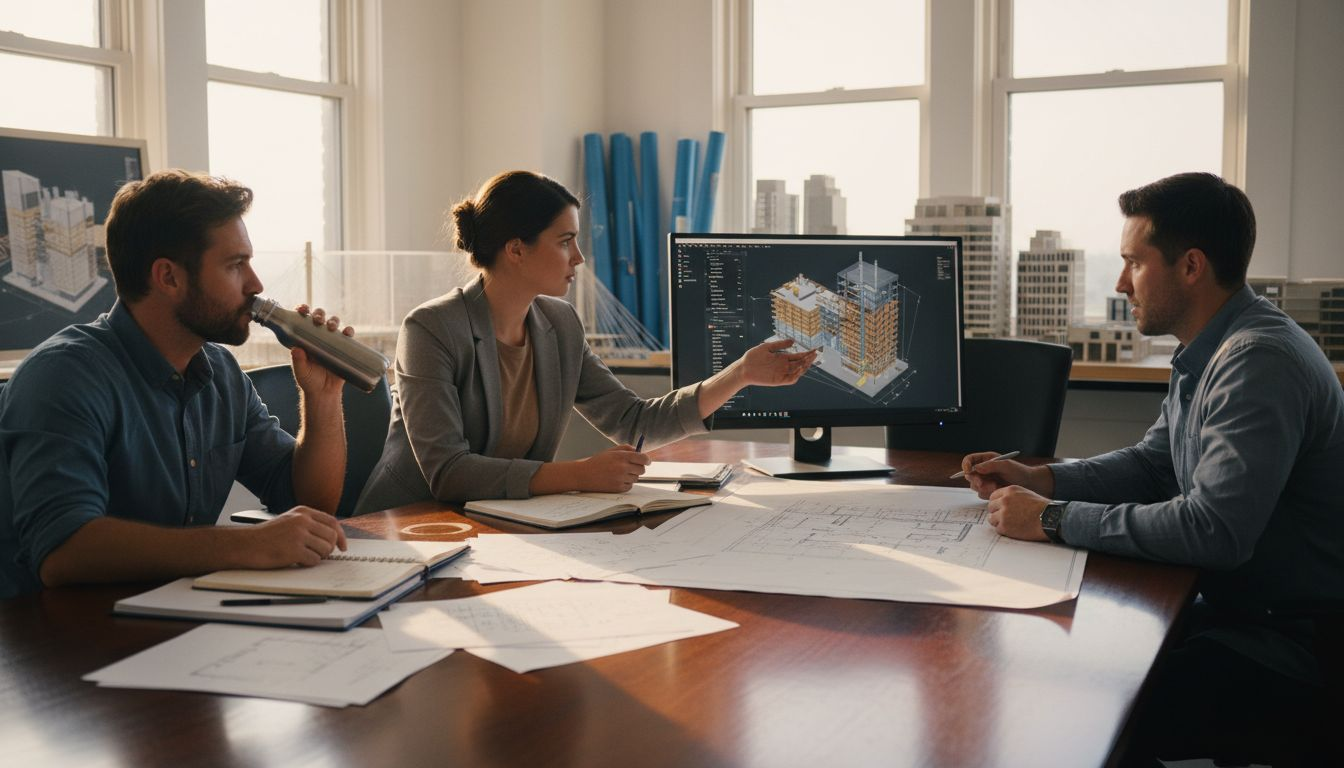
Every bold new project in the UAE or Saudi Arabia depends on clear, compelling communication between architects, developers, and stakeholders. In a world where design complexity keeps rising, traditional blueprints no longer capture the full picture. 3D engineering models now offer immersive, editable digital frameworks that blend geometric precision with meaningful details, setting a new standard for accuracy and collaboration in architectural presentations.
Table of Contents
Key Takeaways
Point | Details |
Advanced 3D Engineering Models | Transform architectural processes by offering detailed visualizations that integrate geometric and functional data. |
Diverse Model Types | Utilize various 3D models, such as exterior, interior, and structural models, to meet specific project needs and enhance communication. |
Collaboration Benefits | Facilitate improved communication between stakeholders through visual clarity and real-time feedback mechanisms. |
Risk Management | Address potential risks like software costs and model inaccuracies with strategic planning and regular validation processes. |
Defining 3D Engineering Models in Architecture
3D engineering models represent sophisticated digital representations that transform architectural design processes by integrating detailed geometric information with functional insights. These advanced models extend far beyond traditional architectural drawings, providing comprehensive three-dimensional visualizations that capture intricate structural details and spatial relationships.
According to recent research, three-dimensional digital representations now enable architects to develop complex building designs with unprecedented precision. These models incorporate multiple layers of information, including:
Geometric data mapping exact structural dimensions
Semantic details about building components
Functional layout specifications
Editable architectural elements
Architectural professionals utilize these models through various technological approaches, leveraging digital tools that transform conceptual ideas into tangible, analyzable representations. Architectural scale models help communicate design intent by providing visual and geometric representations that reveal spatial relationships more effectively than traditional two-dimensional blueprints.
The primary characteristics of advanced 3D engineering models include:
Comprehensive visual representation
Ability to simulate real-world construction scenarios
Enhanced collaboration between design teams
Improved stakeholder communication
Precise volumetric and spatial analysis
Pro Tip: Invest in high-quality 3D modeling software that supports multiple data layers and allows seamless collaboration between architects, engineers, and construction professionals.
Types of 3D Engineering Models for Projects
3D engineering models represent a diverse range of digital visualization techniques that architects and developers utilize to bring complex design concepts to life. Advanced representation techniques have transformed how professionals conceptualize and communicate architectural projects across various domains.
The primary categories of 3D engineering models include:
Exterior Models: Comprehensive representations showcasing building exteriors and surrounding landscapes
Interior Models: Detailed visualizations focusing on spatial planning and interior design elements
Structural Engineering Models: Technical representations emphasizing structural components and interactions
Urban Planning Models: Large-scale geographical representations for city and district development
Architectural modeling techniques enable professionals to explore different model types with unique advantages. Each model type serves specific project requirements, allowing stakeholders to analyze different aspects of architectural design:
Voxel Grid Models: Pixel-like three-dimensional representations
Point Cloud Models: Precise spatial data point configurations
Mesh Models: Interconnected geometric surface representations
Signed Distance Function (SDF) Models: Advanced mathematical surface representations
Neural Radiance Field (NeRF) Models: Cutting-edge AI-generated spatial visualizations
These diverse modeling approaches provide architects and developers with powerful tools to communicate, analyze, and refine complex design concepts across various project scales and complexity levels.
Here’s a summary of how different types of 3D engineering models support architectural projects:
Model Type | Main Application | Key Benefit |
Exterior Model | Building façade and landscape | Enhances visual storytelling |
Interior Model | Room layouts and interiors | Improves space utilization analysis |
Structural Model | Load-bearing elements | Ensures construction feasibility |
Urban Planning Model | City/district scale | Supports large-scale scenario testing |
Pro Tip: Select 3D engineering model types strategically based on your specific project requirements, computational resources, and desired level of detail.
Key Features and Technical Advantages
3D engineering models represent a sophisticated technological approach that goes beyond traditional architectural visualization. Advanced modeling capabilities have revolutionized how architects and developers create, analyze, and communicate complex design concepts.
The key features of modern 3D engineering models encompass several critical technological advantages:
High-Fidelity Geometric Representation: Precise digital renderings capturing minute architectural details
Semantic Annotation: Embedded contextual information for comprehensive project understanding
Design Iteration Support: Flexible modeling allowing rapid modifications and adaptations
AI Integration: Compatibility with generative algorithms and optimization tools
Technical modeling innovations enable professionals to transform design processes through several breakthrough capabilities:
Natural Language Modification: Allowing design changes through conversational instructions
Automated Error Checking: Integrated rule-based validation systems
Semantic Information Embedding: Maintaining consistent data across project stages
Workflow Streamlining: Reducing communication barriers between stakeholders
Advanced Visualization Techniques: Supporting complex design communication
These technical advantages demonstrate how 3D engineering models have become essential tools for transforming architectural design from static representations to dynamic, interactive platforms that support comprehensive project development.
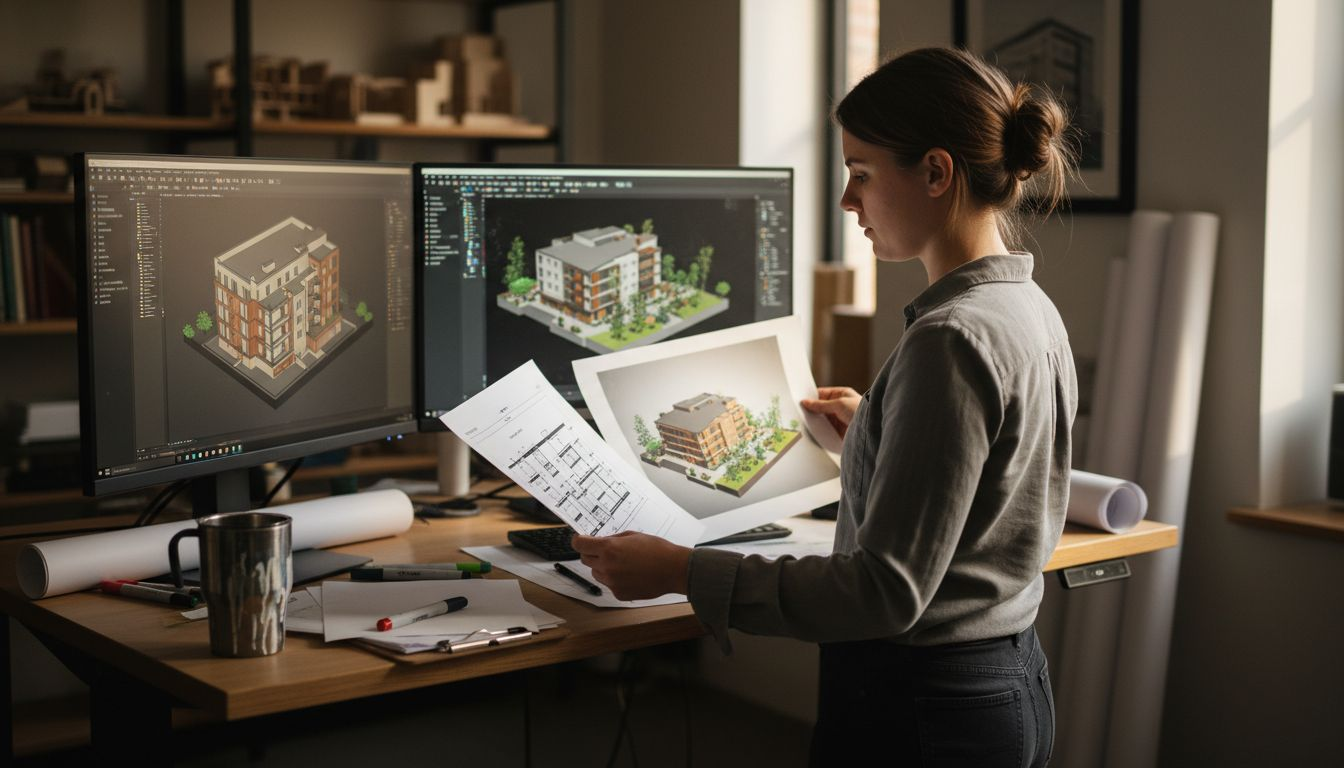
Pro Tip: Invest in 3D modeling software with robust AI integration and semantic annotation capabilities to maximize your design efficiency and communication potential.
Real-World Applications in UAE and KSA
3D engineering models have become transformative tools for architectural and urban development across the Gulf region, addressing unique challenges posed by complex environmental and infrastructural landscapes. Advanced architectural engineering techniques enable professionals in the UAE and Saudi Arabia to create innovative solutions tailored to the region’s demanding construction requirements.
Specific real-world applications of 3D engineering models in UAE and KSA include:
Mega-Project Visualization: Comprehensive modeling for large-scale urban developments
Climate-Adaptive Design: Creating structures optimized for extreme desert environments
Infrastructure Planning: Detailed urban landscape modeling for smart city initiatives
Complex Structural Analysis: Simulating building performance under regional environmental conditions
AI-driven design innovations have dramatically expanded the capabilities of architectural modeling in the region, supporting critical development objectives:
High-Rise Building Design: Precise structural and environmental simulations
Urban Infrastructure Planning: Comprehensive city development modeling
Sustainable Design Integration: Environmental performance optimization
Cultural Heritage Preservation: Documenting and analyzing historic architectural elements
Future City Scenario Testing: Advanced predictive urban development modeling
These technological approaches demonstrate how 3D engineering models are revolutionizing architectural and urban development strategies across the Gulf region, providing unprecedented insights and capabilities for complex design challenges.
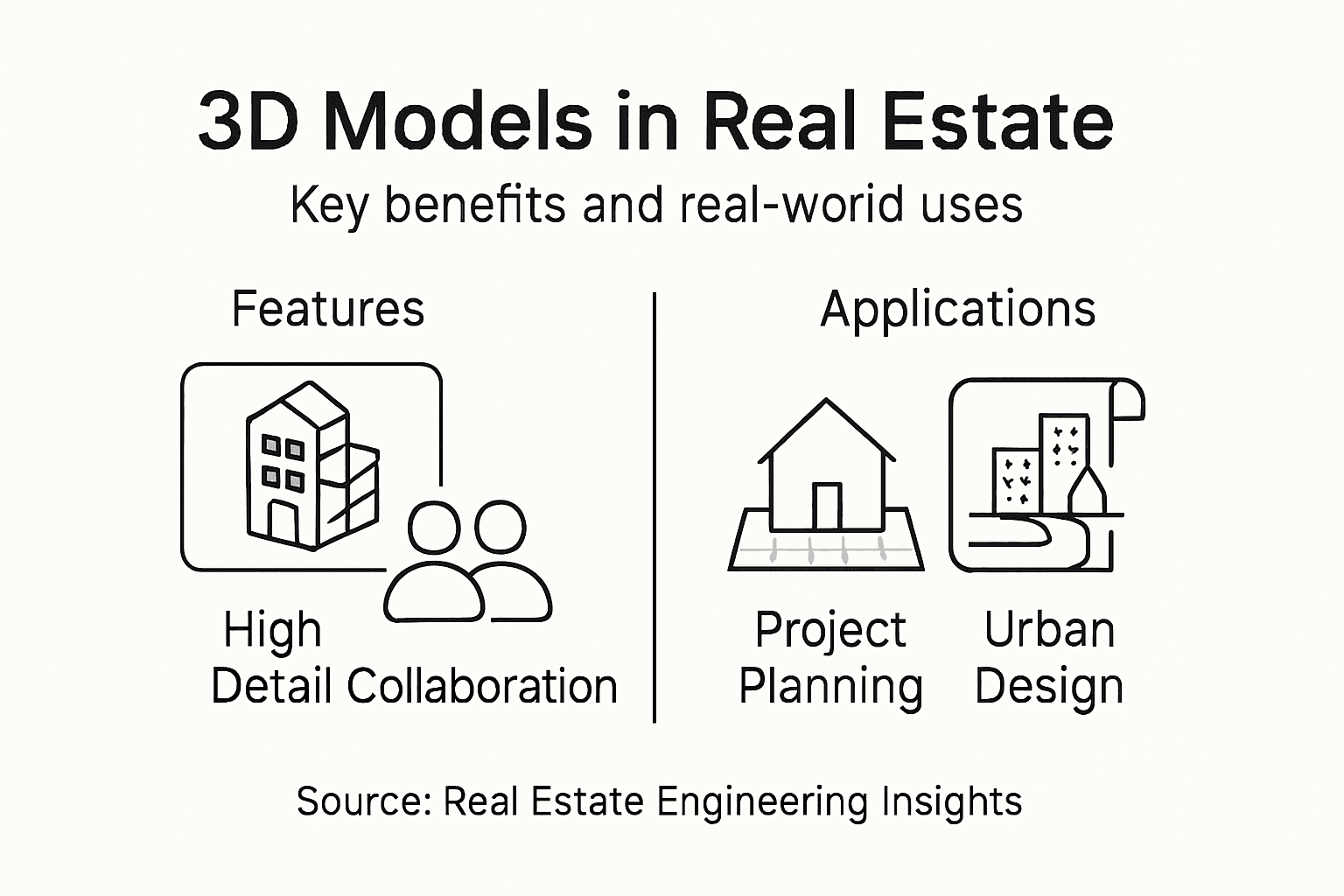
Pro Tip: Collaborate with local engineering experts who understand the unique environmental and regulatory landscape of UAE and KSA when developing 3D engineering models.
Collaboration and Stakeholder Communication Impact
3D engineering models have emerged as powerful communication tools that transform complex design discussions into clear, actionable visual narratives. Architectural model collaboration provides multidisciplinary teams with a shared language that transcends traditional communication barriers, enabling more effective project coordination and decision-making.
Key communication benefits of 3D engineering models include:
Visual Clarity: Converting technical concepts into intuitive representations
Interdisciplinary Understanding: Bridging gaps between architects, engineers, and clients
Real-Time Feedback: Enabling immediate design modifications and iterations
Conflict Resolution: Identifying potential design challenges before construction
Interactive design communication enables stakeholders to engage with project models through advanced collaborative features:
Natural Language Modification: Allowing direct input from non-technical team members
Rule-Based Validation: Ensuring design compliance and technical feasibility
Collaborative Annotation: Facilitating precise, trackable feedback mechanisms
Scenario Simulation: Testing multiple design alternatives simultaneously
Transparent Decision Tracking: Documenting design evolution and rationale
These collaborative technologies represent a fundamental shift in architectural communication, transforming complex projects from siloed interactions to dynamic, inclusive design experiences.
Pro Tip: Establish clear communication protocols and training programs to maximize the potential of 3D engineering models across your project team.
Cost, Risks, and Common Pitfalls to Avoid
3D engineering models represent significant technological investments that require careful strategic planning and risk management. Mathematical modeling considerations/01%3A_Chapters/1.06%3A_Mathematical_Models) highlight the complex financial and technical challenges associated with implementing advanced modeling technologies in architectural and engineering projects.
Key cost and risk factors include:
Software Expenses: High-end modeling tools require substantial financial investment
Training Requirements: Specialized personnel need extensive skill development
Computational Resources: Advanced modeling demands significant hardware infrastructure
Data Interoperability: Potential challenges in cross-platform model integration
Architectural model development presents several critical risks that professionals must proactively address:
Model Inaccuracy: Potential errors leading to design miscalculations
Stakeholder Misalignment: Incomplete communication of design intent
Over-Reliance on Automation: Neglecting expert human oversight
Insufficient Validation Processes: Skipping critical early-stage model checking
Technology Obsolescence: Rapid changes in modeling platforms
Successful implementation requires a balanced approach that combines technological investment with rigorous validation and continuous professional development.
The table below highlights common risks of 3D modeling and effective mitigation strategies:
Risk Factor | Potential Impact | Mitigation Strategy |
Software Expenses | Increased project costs | Budget planning and audits |
Data Interoperability | Workflow disruptions | Use open data standards |
Over-Reliance on Automation | Critical design errors | Regular expert reviews |
Technology Obsolescence | Integration challenges | Schedule ongoing software updates |
Pro Tip: Develop a comprehensive risk management strategy that includes regular technology assessments, ongoing team training, and multiple validation checkpoints throughout the modeling process.
Transform Your Real Estate Vision with Precision 3D Engineering Models
Architects, developers, and marketing teams face the challenge of conveying complex design concepts clearly and accurately. This article highlights how 3D engineering models solve issues like model inaccuracy, stakeholder misalignment, and communication barriers by offering high-fidelity geometric representation and enhanced collaboration. At Creative Fusion, we understand the value of these advanced modeling techniques and specialize in delivering detailed 3D Engineering Models customized for real estate and urban planning projects across the UAE and KSA. Our expert craft combines technology and traditional skills to provide scalable solutions, from high-rise towers to luxury villas.
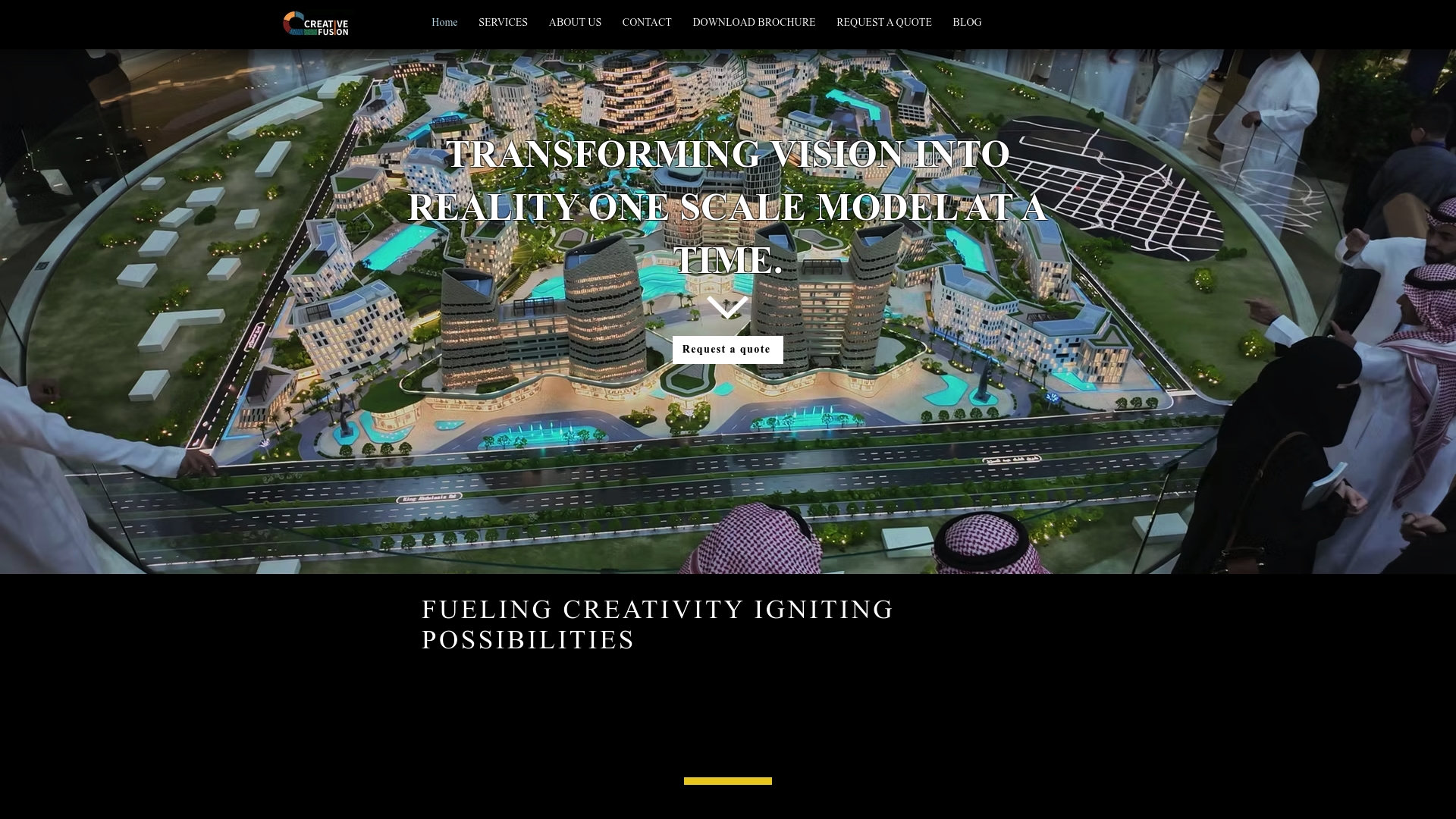
Bring your architectural ideas to life with Creative Fusion’s expertise. Explore our full range of services including Architectural Model Making, Master Plan 3D Models, and interactive visual tools designed to enhance stakeholder communication and reduce costly misunderstandings. Don’t let technical challenges slow your project down take the first step toward clear, compelling design communication today by visiting https://creativefusion.ae.
Frequently Asked Questions
What are the benefits of using 3D engineering models in real estate development?
Using 3D engineering models enhances visual clarity, allows for detailed spatial analysis, and facilitates effective communication among stakeholders, ultimately leading to improved project outcomes.
How do 3D engineering models improve collaboration among design teams?
3D engineering models provide a shared visual platform that bridges communication gaps, enabling architects, engineers, and clients to engage more effectively and make timely, informed decisions.
Can 3D engineering models support sustainable design practices?
Yes, they can be used to simulate environmental impacts, optimize resource use, and visualize energy efficiency, helping designers create buildings that are environmentally friendly and sustainable.
What types of 3D engineering models are commonly used in real estate projects?
Common types include exterior models for visuals of the building and landscape, interior models for spatial layout, structural models for analyzing construction feasibility, and urban planning models for large-scale developments.
Recommended


Comments