
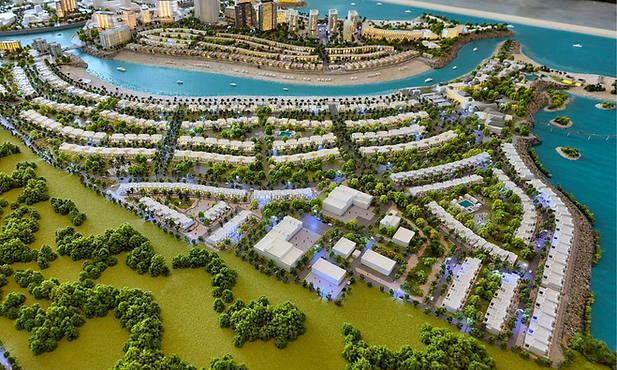
Step-by-Step Guide to Creating Master Plan Models
Transforming Concepts into Tangible Masterpieces
At Creative Fusion, we specialize in bringing large-scale visions to life through highly detailed master plan models. Whether you are a real estate developer, city planner, or architectural firm, our physical models help you visualize entire developments long before construction begins.
Conceptual master plan models serve as dynamic tools that visually outline the design and layout of large-scale projects—including urban districts, commercial hubs, resort destinations, and residential communities. By transforming complex blueprints into tangible 3D representations, they make it easier to communicate ideas, refine development strategies, and facilitate critical decision-making among key stakeholders.
When designing large-scale developments, transitioning from 2D master plans to physical reality requires specialized expertise. Collaborating with a professional architectural model maker ensures that every detail—from topography and infrastructure to landscaping—is represented with precision. If your project is based in the region, working directly with an experienced team for architectural model making in Dubai guarantees seamless alignment with local municipality standards and master developer requirements.
Here is a step-by-step overview of how we bring master plans to life.
Why Master Plan Models Matter
Master plan models are essential tools across urban planning, architecture, and real estate development because they bring ambitious ideas into clear, three-dimensional focus. By translating big-picture concepts into physical form, these models bridge the gap between technical drawings and reality—making it effortless for everyone, from city officials to private investors, to understand the intent behind a project.
They serve as visual storytelling devices, helping teams communicate complex layouts without relying exclusively on technical jargon. Instead of sifting through dozens of blueprints, stakeholders can gather around a physical presentation piece, easily spotting opportunities, spatial relationships, and aesthetic possibilities.
In short, master plan models foster better collaboration, streamline regulatory sign-offs, and accelerate pre-sale marketing efforts.
The Step-by-Step Creation Process
1. Understanding the Vision
We begin by diving deep into your project specifications. Whether it is a residential master plan or an industrial zone, we gather and review:
-
CAD drawings and architectural blueprints
-
GIS or topographical terrain data
-
Branding guidelines, color palettes, and visual preferences
Our team studies the layout and core intent of the site to capture both structural precision and the human story behind the design.
2. Concept Planning & Digital 3D Modeling
Next, our architects convert your data into precise 3D digital models using advanced software such as AutoCAD, Rhino, and SketchUp. We focus on:
-
Accurate terrain replication
-
Building footprints, massing, and architectural hierarchy
-
Zoning, road networks, and vehicular access pathways
This digital phase allows developers to review spatial proportions before physical fabrication begins.
3. Scale & Material Selection
Choosing the right scale and materials is vital to balancing visual impact with physical portability.
Selecting the Ideal Scale
-
1:1000 Scale: Ideal for massive regional developments and city master plans. It provides a broad overview of the site layout, spatial relationships, and zoning boundaries.
-
1:500 Scale: Offers enhanced architectural detail, making it ideal for medium-sized sites where building massing, podium decks, and landscape features need to stand out.
-
1:100 to 1:200 Scale: Used when highlighting specific signature towers or architectural features within a broader master plan.
Material Precision
We select durable, climate-tested materials designed to resist warping or fading:
-
High-grade laser-cut acrylics and resins
-
Precision-milled wood or high-density foam for terrain modeling
-
Integrated lighting options (programmable LEDs, fiber optics, or dynamic projection mapping)
4. Precision Model Fabrication
Using state-of-the-art equipment alongside traditional hand craftsmanship, our studio begins assembling the physical asset:
-
Structures are fabricated layer by layer using high-resolution laser cutters and SLA 3D printers.
-
Roads, pedestrian pathways, and public plazas are detailed with high precision.
-
Trees, water bodies, and micro-landscaping elements are meticulously handcrafted for realistic texture.
-
5. Detailing & Finishing Touches
This is where the model truly comes alive. Our artisan team adds:
-
Custom paints, textures, and architectural decals
-
Scale-accurate vehicles, street lighting, scale figures, and street furniture
-
Branding plaques and landmark highlights
-
Full testing of electronic, motorized, or illuminated components
6. Delivery, Installation & Presentation
Once approved, we custom-engineer protective flight cases or display enclosures to ensure safe transport—locally across the UAE or internationally. We provide full on-site installation, custom acrylic display cases, and interactive lighting controls so your master plan model is immediately presentation-ready for exhibitions, investor meetings, or official authority reviews.
Exploring the Primary Types of Master Plan Scale Models
Depending on your presentation objectives, different types of master plan models serve distinct storytelling roles:
-
Conceptual Models (1:1000 to 1:2000): Focus on macro-level form, massing, and zoning. Perfect for early-stage planning and pitch meetings.
-
Detailed Area Models (1:500 to 1:1000): Zoom in on streetscapes, building footprints, and infrastructure connection points to demonstrate functionality to city planners and investors.
-
Architectural Feature Models (1:100 to 1:200): Spotlight individual signature towers or iconic structures within the master plan to showcase façade treatments and amenities.
-
Landscape & Environmental Models: Highlight green spaces, water features, ecological corridors, and sustainability initiatives alongside built environments.
Ready to Build Your Master Plan Model?
Partnering with an experienced team ensures your project is delivered on schedule, within budget, and built to the highest architectural standards.
If you are preparing for an upcoming project launch or require a physical presentation model for investor meetings, explore our full suite of solutions on our homepage or view our specialized regional model making capabilities.
Take the Next Step with Creative Fusion:
-
Request a Custom Quote: Submit your CAD files and project specifications directly via our Request a Quote Form for a tailored estimate.
-
Contact Our Team: Visit our Contact Us Page, call us directly at (+971) 58 185 5206, or email us at info@creativefusionllc.ae to schedule a consultation with our model making experts.